
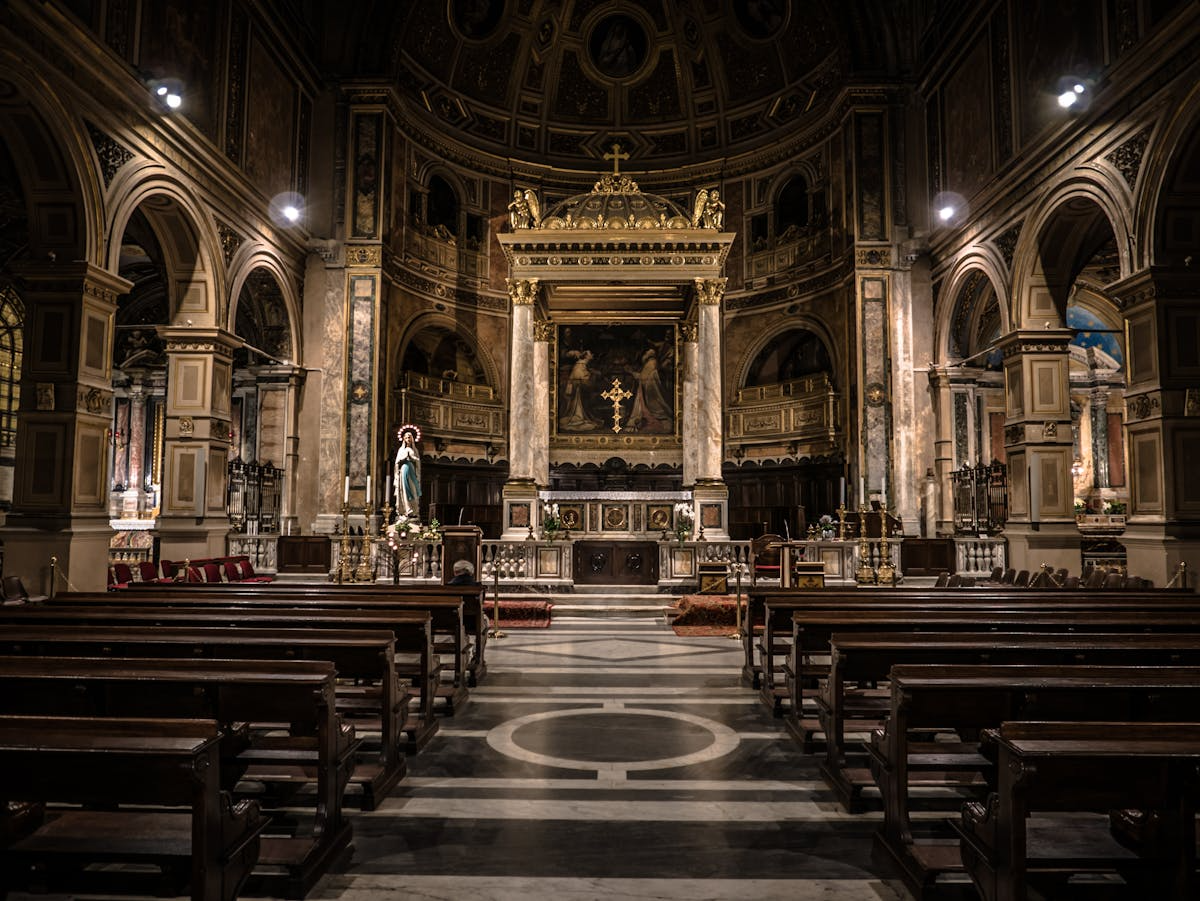
As of May 2025, **Catholic Church initiatives 2025** are reshaping worship and mission worldwide. Pope Leo XIV has launched a wave of reforms. These span synodality, ecology, liturgy, lay empowerment, interfaith dialogue, social justice, and digital evangelization. The urgency to adapt is palpable.

## Synodal process updates
The **African Synodality Initiative** kicked off in June 2025. Spearheaded by the Jesuit Conference of Africa and Madagascar (JCAM), SECAM and AMECEA, it fuses indigenous values with synodal practice. Key activities include:
- **Monthly multilingual webinars** on local traditions
- **Weekly radio segments** in Swahili, Yoruba and Malagasy
- **Small-group reflections** in Nairobi, Abuja and Antananarivo

Meanwhile, the **Irish Synodal Pathway** prepares for its Pre-Synodal Assembly on October 18, 2025, in Kilkenny. Bishops and laity will debate co-responsibility, missionary discipleship and expanded lay roles. This **pre-synodal consultation** aims for a clear roadmap before the global Synod.

## What are the Catholic Church’s key initiatives in 2025?
Users often ask, **“What are the Catholic Church’s main global initiatives in 2025?”** Here’s a quick breakdown:
- **Synodal reforms** in Africa and Ireland
- **Ecological stewardship** via Laudato Si’ Action Platform
- **Liturgical inculturation** in Amazon, Southeast Asia, Sub-Saharan Africa
- **Lay Ministry Motu Proprio**, empowering catechists globally
- **Interfaith gatherings**, including the May 18 inauguration summit
- **Social-justice mandates**, from fair-trade guidelines to survivor settlements
- **Digital evangelization**, with Vatican Digital Campus and Pope Connect App 2.0

This list shows how **Catholic Church synodal ecological reforms 2025** and **Catholic Church digital outreach platform 2025** converge to meet modern challenges.

## Ecological stewardship and liturgical inculturation
**Laudato Si’ Action Platform** now counts over 1,200 dioceses and Catholic bodies. As of May 2025:
- 30% of parishes have full carbon-reduction plans
- 500,000 people joined ecological conversion programs in 2024
- 80% of participating institutions report greener budgets

In September 2025, Pope Leo XIV will open the **Borgo Laudato Si’ Ecological Training Center** at Castel Gandolfo. On 55 hectares, it will teach climate-action best practices, vocational skills and environmental education for children. Castel Gandolfo’s historic gardens will host interactive exhibits on renewable energy and sustainable agriculture.

On liturgy, pilot rites now blend ancient forms with local art. In the Amazon basin, worship includes pan-flute meditations. In Southeast Asia, incense ceremonies echo tribal chants. Sub-Saharan Africa welcomes traditional dance and textiles alongside Latin hymns. On one hand, this **liturgical inculturation** deepens cultural ties. On the other hand, some experts caution about preserving liturgical unity.

## Digital evangelization, lay empowerment and social justice outreach
The **Vatican Digital Campus**, launched June 2025, drew 5 million unique users in three months. It offers:
- Live-streamed liturgies in 20+ languages
- Interactive catechetical modules
- Virtual pilgrimages through Vatican archives

The upgraded **Pope Connect App 2.0** features geolocated prayer intentions, weekly Gospel podcasts and secure synodal chat rooms. These tools boost transparency and foster **digital evangelization**.

Effective August 2025, the **Lay Ministry Motu Proprio** allows laypeople to preside at the Liturgy of the Word in priest absence. Over 10,000 catechists and liturgical coordinators are in formation across Canada, Brazil and India. This **Catholic Church lay ministry reform 2025** marks a historic step toward co-responsibility.

The **Vatican Social Justice Commission** released new guidelines on fair-trade procurement and living wages. In parallel, the Archdiocese of New Orleans pledged a $180 million settlement for abuse survivors. It also adopted a survivors’ bill of rights and strengthened safeguarding protocols. These moves underscore the Church’s commitment to justice and healing.

## How do these reforms impact local communities?
Local parishes now juggle global visions with on-the-ground realities. In Nairobi, radio reflections spark village discussions on ecology and faith. In Kilkenny, lay leaders draft new statutes on shared governance. In Rio de Janeiro, liturgical dancers bring Amazonian hymns to city cathedrals.

The **global Catholic Church ecological initiatives 2025** and **Catholic Church synodal pathway Africa 2025** both stress dialogue. Populace engagement is key. The success of these programs depends on resources, training and genuine local ownership.
- Financial support is vital for carbon-reduction plans.
- Digital literacy shapes online evangelization.
- Cultural sensitivity guides inculturation.

On one hand, the Vatican’s digital campus unites millions online. On the other hand, remote regions still lack reliable internet. Bridging that gap remains urgent.

A decade after Pope Francis’ 2015 encyclical, this phase echoes a growing ecological conscience. It also reveals the Church’s adaptive spirit. For journalists and scholars, the next months promise rich material on synodal outcomes, ecological metrics and social-justice case studies.

I’ve reported from synodal sessions in Rome and listened to grassroots voices in Madagascar. The mix of tradition and innovation is striking. If you’re curious about next steps in Vatican diplomacy, papal encyclicals or church archives, stay tuned. There’s much more coming on these evolving themes.
James Caldwell
🕊️ Deep interest in Vatican affairs and Pope Leo XIV’s papacy
✍️ Skilled in online writing, editorial content, and accessible explanations
📚 Strong background in Catholic Church history and current global issues
💡 Able to clarify complex topics with a clear, engaging style
🔍 Committed to accurate sourcing and reliable information
📈 Delivers insightful, up-to-date, and educational articles