
Since his election on 8 May 2025, Pope Leo XIV has underscored the power of shared prayer to unify the Church and renew personal faith. While he preserves the Church’s enduring devotions—the Prayer for the Pope, the Angelus, and Regina Coeli—he has offered fresh pastoral guidance on how to pray them in daily life, parish gatherings, and online communities. Below you’ll find each prayer’s history, full text, practical steps for private and communal recitation, and creative ways to integrate these devotions into modern spiritual rhythms.
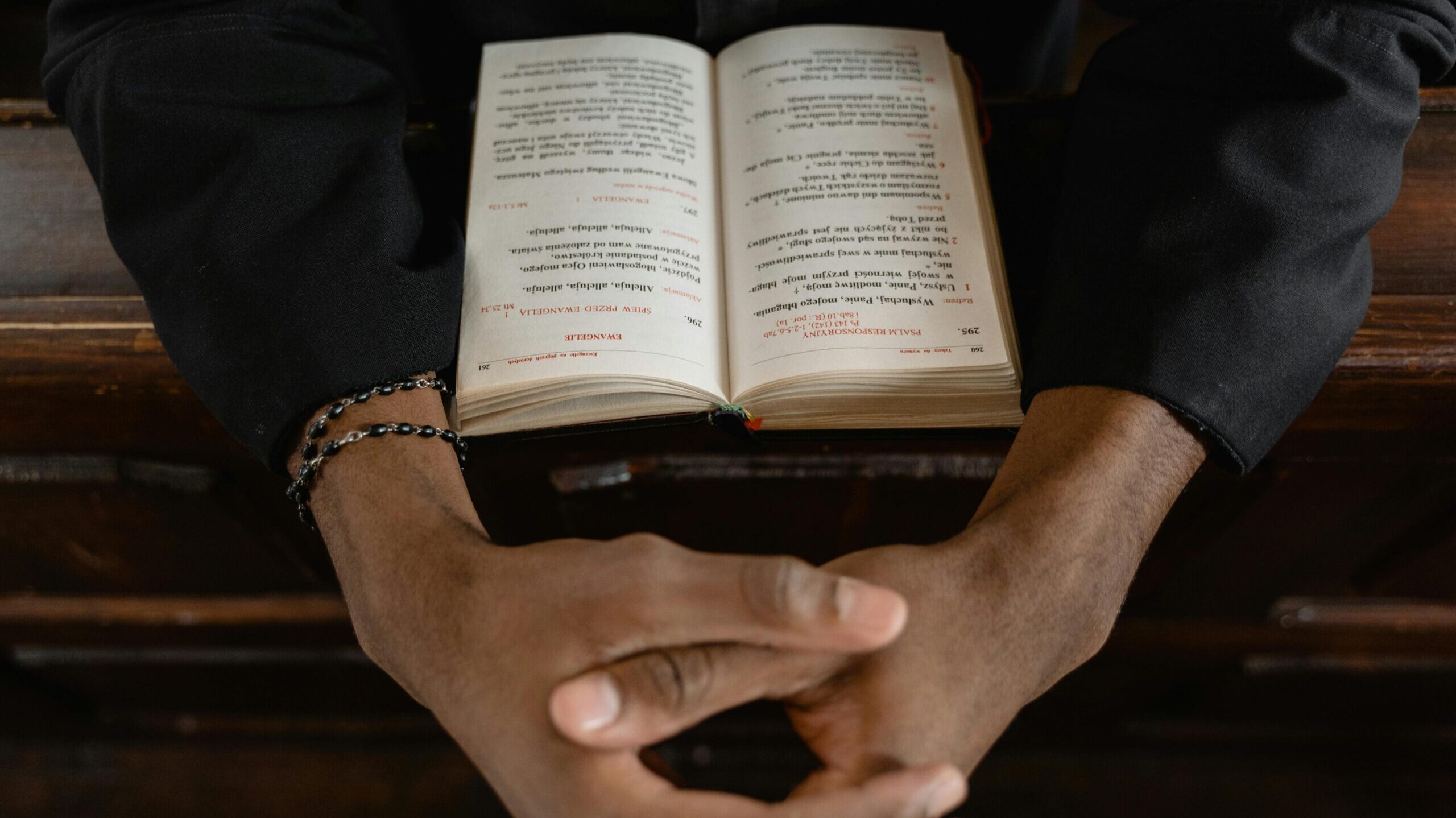
I. The Prayer for the Pope
A. Historical Roots and Purpose
- Ancient Tradition: From the earliest centuries, Roman liturgy included intercessions for the Successor of Peter. By the medieval period, a specific collect—“Let us pray for N., our Pope”—became standard in the Missale Romanum and Liturgy of the Hours.
- Ecclesial Communion: This prayer symbolizes the visible bond between the universal Church and its shepherd. It expresses reliance on God to sustain the Pope in wisdom, health, and holiness.
B. Text of the Prayer
Let us pray for Leo XIV, our Pope.
O God, Shepherd and Ruler of all the faithful,
look graciously, we pray, on your servant Leo XIV, whom you have set over us.
Keep him safe in your care, uphold him by your power,
and grant that, strengthened by you, he may lead the Church
ever more effectively along the paths of salvation.
Through Christ our Lord. Amen.
C. How to Incorporate It
1. Daily Private Prayer:
-
- After morning thanksgiving, recite this collect slowly, pausing on key petitions.
- Reflect for a minute on one challenge facing the Pope—ecological initiatives, synodal discernment, or global conflict—and lift that intention.
2. Liturgy of the Hours:
-
- Lauds or Vespers: Include this collect after the concluding prayer on the anniversary of his election (8 May) and on Sundays of Ordinary Time (to reinforce weekly solidarity).
- Parish Choirs: Optionally chant the prayer in Gregorian tone during solemn Vespers.
3. Communal Settings:
-
-
- Prayer Groups: Begin or conclude meetings with this prayer, then share one concrete action you can take to support a papal priority (e.g., joining a Creation-care project).
- Bulletin Inserts: Provide the text in parish bulletins, accompanied by a very brief note on a current papal initiative (e.g., the Global Faith Forum 2026).
-
4. Digital Engagement:
-
-
- Social-Media Graphics: Create shareable images with the prayer text and a relevant papal photo.
- App Reminders: Use “Pope Connect” or similar parish apps to send weekly notifications with the collect and a short reflection.
- Social-Media Graphics: Create shareable images with the prayer text and a relevant papal photo.
-
II. The Angelus
A. Origins and Liturgical Role
- Origins: Emerging in monastic communities by the 11th century, the Angelus devotion commemorates the Annunciation (Gabriel’s announcement to Mary) three times daily—morning, noon, and evening—through bells and prayer.
- Papal Endorsement: Since the 14th century, Popes have promoted the noon Angelus, drawn from monastic practice, as a public act of faith. Leo XIV continues this weekly tradition at 12:00 PM on Sundays, calling all Catholics to pause and recall the mystery of the Incarnation.
B. Text of the Angelus
℣ The Angel of the Lord declared unto Mary,
℟ And she conceived of the Holy Spirit.
Hail Mary…
℣ Behold the handmaid of the Lord.
℟ Be it done unto me according to your word.
Hail Mary…
℣ And the Word was made flesh.
℟ And dwelt among us.
Hail Mary…
℣ Pray for us, O Holy Mother of God,
℟ That we may be made worthy of the promises of Christ.
Let us pray.
Pour forth, we beseech you, O Lord,
your grace into our hearts;
that we, to whom the Incarnation of Christ your Son
was made known by the message of an angel,
may by his Passion and Cross
be brought to the glory of his Resurrection.
Through the same Christ our Lord. Amen.
C. Step-by-Step Guide
1. Bell or Chime Signal:
-
- Parishes ring three sets of three bell tolls at 12:00 PM local time.
- Set a smartphone alarm or use a globally synchronized app for personal practice.
2. Public Recitation:
-
-
- Sundays: Pope Leo XIV prays from the Apostolic Palace window; at the same moment, many cathedrals and parishes pause.
- Encourage faithful to gather in small clusters outdoors or in the church nave.
-
3. Private/Family Use:
-
-
- At Home: Pause work or study at 12:00 PM, recite the Angelus with family members or housemates.
- Workplaces: If feasible, designate a quiet corner for midday prayer; receive the text via company or parish email.
- At Home: Pause work or study at 12:00 PM, recite the Angelus with family members or housemates.
-
4. Multimedia Adaptations:
-
-
- Audio Guides: Record a brief reflection after the Angelus—perhaps a Psalm verse or Gospel insight—and share via parish podcast.
- Visual Displays: Project the text on church screens or TVs in waiting areas, paired with Marian imagery.
- Audio Guides: Record a brief reflection after the Angelus—perhaps a Psalm verse or Gospel insight—and share via parish podcast.
-
III. Regina Coeli
A. Eastertide Joy and Marian Praise
- Liturgical Place: From Easter Sunday through Pentecost, the Church replaces the Angelus with the joyful Regina Coeli—a Latin hymn rejoicing in the Resurrection.
- Historical Usage: St. Gregory I (6th c.) popularized it; by Leo XIV’s election, it had become the principal Marian Easter prayer.
B. Text of the Regina Coeli
Queen of Heaven, rejoice, alleluia;
for He whom you did merit to bear, alleluia,
has risen as He said, alleluia.
Pray for us to God, alleluia.
℣ Rejoice and be glad, O Virgin Mary, alleluia.
℟ For the Lord has truly risen, alleluia.
Let us pray.
O God, who gave joy to the world through the Resurrection of your Son, our Lord Jesus Christ,
grant, we beseech you, that through the intercession of the Virgin Mary, His Mother,
we may attain the joys of eternal life.
Through the same Christ our Lord. Amen.
C. Practical Suggestions
1. Public Recitation:
-
- Sundays at Noon: In place of the Angelus, diocesan bishops and parish priests lead the Regina Coeli from church portals.
- Parish Group: After the prayer, hold a brief Eastertide reflection or share testimonies of resurrection in daily life.
2. Family & Youth Settings:
-
- Host a simple festive meal after praying the Regina Coeli at home—connecting spiritual joy with familial fellowship.
- Encourage children to create Easter-themed art or songs based on the hymn’s text.
3. Multimedia Enrichment:
-
- Music: Provide a congregational score in parish bulletins or on screens, choosing metrical or chant settings.
- Video Reflections: Record a 2-minute meditation on one line (e.g., “He whom you did merit to bear”), and share on social platforms.
- Music: Provide a congregational score in parish bulletins or on screens, choosing metrical or chant settings.
IV. Integrating These Devotions into Daily and Communal Life
A. Structured Prayer Times
Time of Day
Devotion
Setting
Morning
Prayer for the Pope
Private devotional time
Noon
Angelus (or Regina Coeli Easter)
Church bells / group gathering
Evening
Vespers followed by the Pope’s Collect
Parish vesper services / home
Daily Rhythm: Encourage prayer booklets or app reminders that cycle through these devotions, ensuring each finds a fixed slot in the faithful’s day.
B. Parish and Community Initiatives
1. Monthly Devotional Evenings:
Focus on one devotion per month—include a short teaching, communal recitation, and small-group sharing.
2. Youth Multimedia Workshops:
Invite young parishioners to produce videos, art installations, or social-media campaigns around these prayers, then present them at youth nights.
3. Digital Tools:
Use the “Pope Connect” app to send push notifications with prayer texts and motivational prompts.
Parishes can livestream the Angelus or Regina Coeli prayer times with subtitles in multiple languages.
Where can I find official texts and translations?
On Vatican.va under “Prayers” and within the “Pope Connect” app.
Can I adapt these prayers for small groups or families?
Yes. Short reflections, art, or music can deepen engagement, provided the core text remains unchanged.
What if I miss the noon prayer?
Pray it later in the day—what matters is the intentional pause and recollection of Christ’s Incarnation or Resurrection.
Pope Leo XIV’s election at nearly 70 speaks to a papacy rooted in seasoned judgment yet open to renewal. Join in his vision:

Pray the Prayer for the Pope daily on:
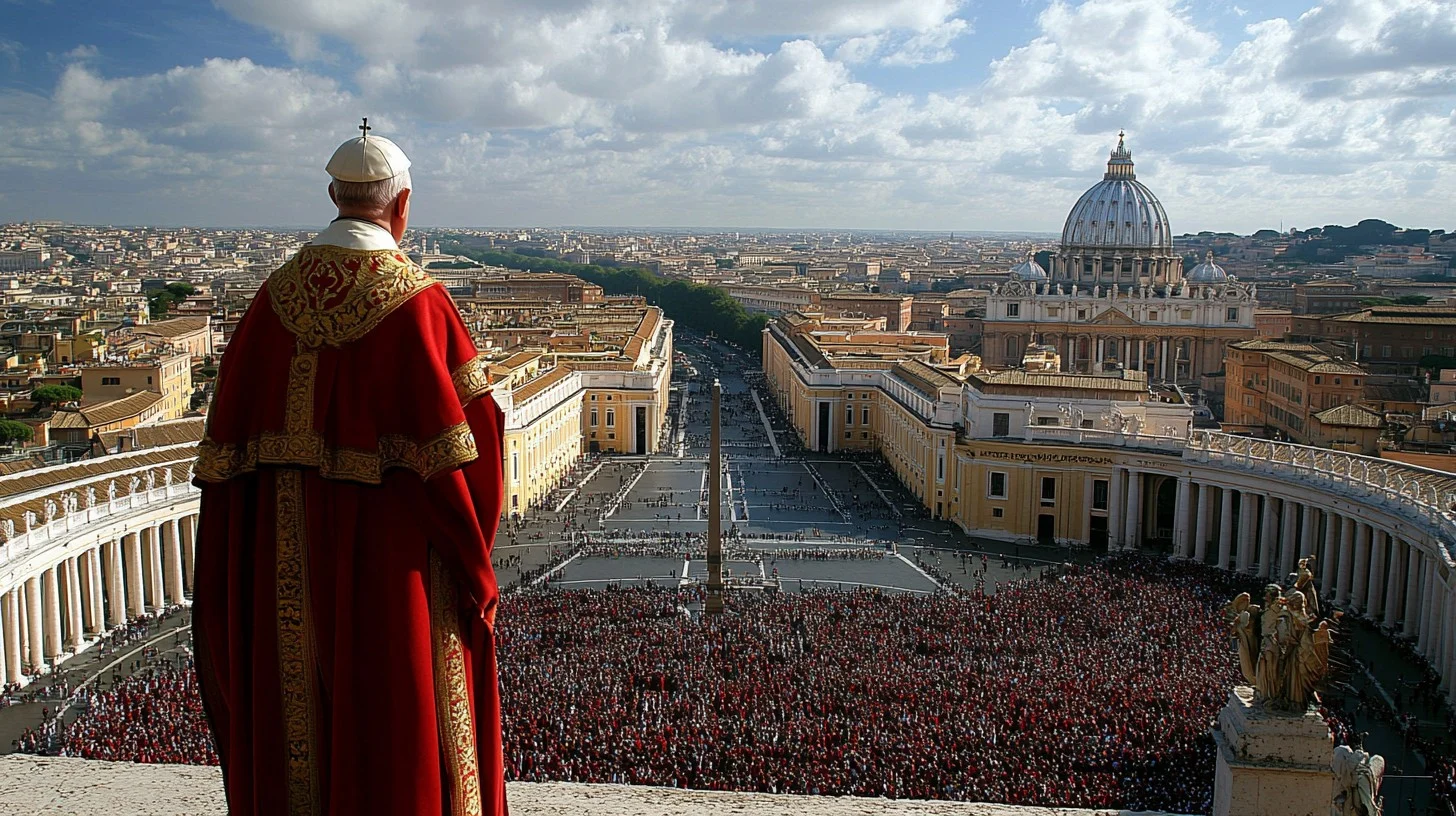
Join the worldwide Angelus or Regina Coeli at noon on:

Deepen your understanding of Pope Leo XIV’s mission on:
🕊️ Deep interest in Vatican affairs and Pope Leo XIV’s papacy
✍️ Skilled in online writing, editorial content, and accessible explanations
📚 Strong background in Catholic Church history and current global issues
💡 Able to clarify complex topics with a clear, engaging style
🔍 Committed to accurate sourcing and reliable information
📈 Delivers insightful, up-to-date, and educational articles