
A pilgrimage to Vatican City to encounter Pope Leo XIV is both a spiritual milestone and a logistical endeavor. Whether you aim to attend the Wednesday General Audience, pray the Sunday Angelus, or participate in Holy Week and Christmas liturgies, this guide walks you through every step: securing free tickets, navigating security and dress codes, choosing accommodations, and fitting local customs—all so you can focus fully on prayer, reflection, and the transcendent joy of standing in the presence of the Successor of Peter.
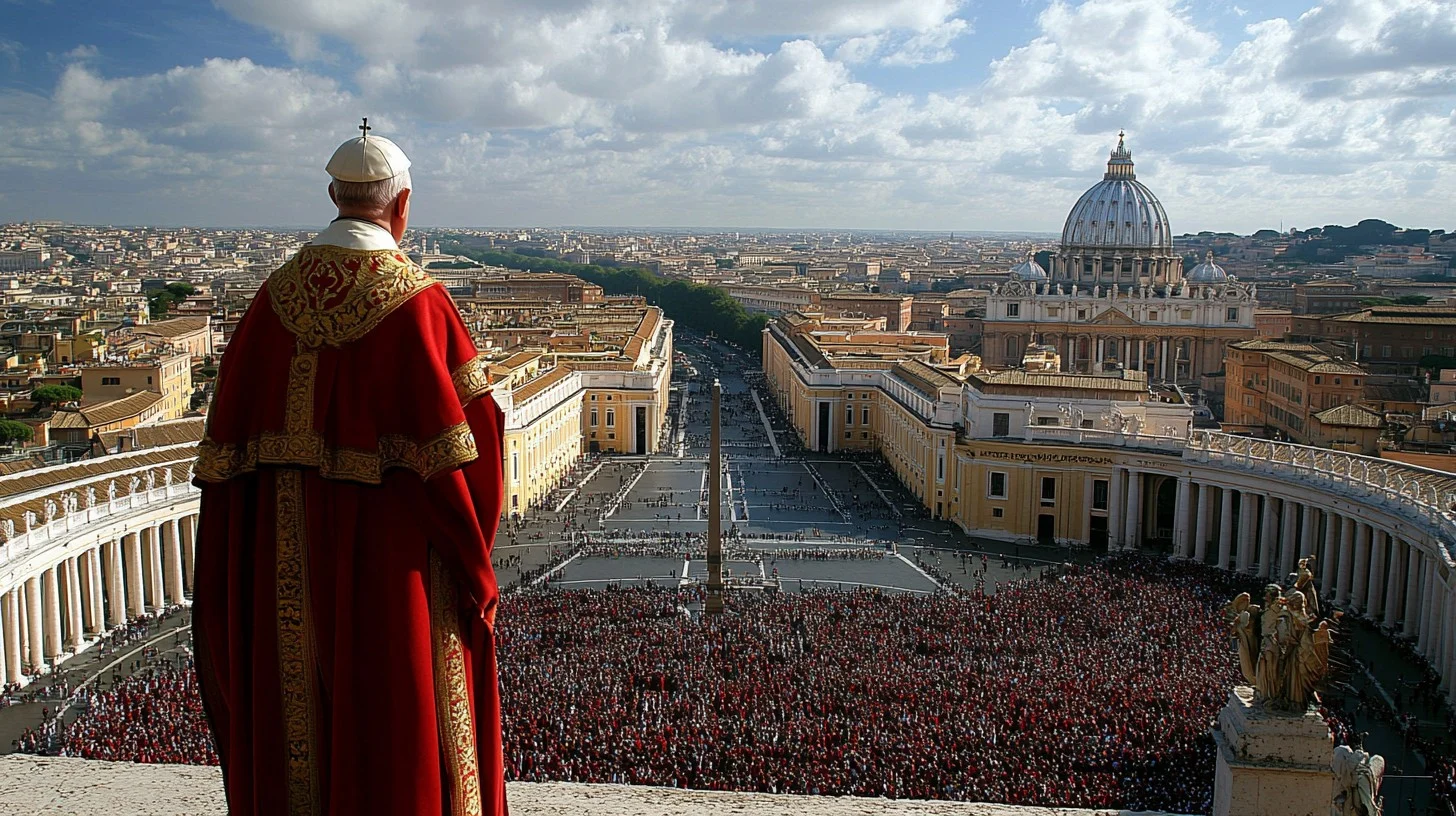
I. The Weekly General Audience
A. Schedule & Venue
- When: Every Wednesday at 10:30 AM (summer sessions sometimes begin at 10:00 AM).
- Venue:
- St. Peter’s Square: Open-air setting beneath Bernini’s colonnades; capacity over 20 000.
- Paul VI Audience Hall: Used during inclement weather, August, and winter months; seats up to 6 500.
B. Obtaining Tickets
1. Online Reservation:
Visit the Prefecture of the Papal Household website up to six weeks prior; request up to ten tickets per person.
2. On-Site Collection:
Collect tickets at the Bronze Door of St. Peter’s Basilica from 3:00 PM to 7:00 PM on Tuesdays, or from 7:30 AM on Wednesday until distribution ends.
3. Group Requests:
Parishes, dioceses, and associations may apply via their local bishop’s office for block allocations—best submitted three months in advance.
C. Practical Preparation
-
- Arrival: Aim to arrive 90 minutes early for screening and seating.
- Security: Airport-style checks; no large backpacks or tripods.
- Dress Code: Modest attire—shoulders and knees covered; women may wear headscarves.
- What to Bring: Water bottle, handheld fan or umbrella, small notepad for notes.
- Etiquette: Applaud gently; hold up respectful banners if desired; stand for the greeting, sit for readings.
D. Audience Flow
- Opening Hymn & Multilingual Greeting: Led by the papal master of ceremonies.
- Papal Address: A 20–30 minute reflection, often tied to current Gospel readings or global themes.
- Universal Prayer Intentions: The Pope recites prayers in several languages.
- Papal Blessing: “May the Lord bless you…” followed by “Ad multos annos” in his chosen language.
II. The Sunday Angelus
A. What It Is
-
- When: Every Sunday at 12:00 PM (no tickets needed).
- Where: From the central balcony of the Apostolic Palace overlooking St. Peter’s Square.
B. How to Participate
-
- Arrival: By 11:00 AM to secure front-row spots.
- No Reservation: Space is first-come, first-served; volunteers distribute printed texts.
- Atmosphere: After the prayer, many pilgrims linger for rosary recitations or personal devotions in the Square.
C. Special Notes
-
- Audio: Tune to Vatican Radio’s FM frequencies for translations.
- Weather: Chairs are available in shade areas; bring water or a light cover depending on season.
- Audio: Tune to Vatican Radio’s FM frequencies for translations.
III. Major Liturgical Celebrations
A. Holy Week Triduum
- Holy Thursday: Evening Mass of the Lord’s Supper in St. Peter’s Basilica; limited overflow seating in the Square.
- Good Friday: Station of the Cross at the Colosseum led by the Pope; free tickets distributed by Coliseum administration two weeks prior.
- Easter Vigil & Easter Sunday Mass: Lighting of the Paschal Candle and festive Eucharist in the Basilica; tickets required for both liturgies.
B. Christmas Celebrations
- Midnight Mass: Begins at 9:30 PM on 24 December in St. Peter’s; overflow in the Square.
- Christmas Day Mass: 10:00 AM in the Basilica; open seating.
C. Feast of Saints Peter & Paul (29 June)
- Solemn Mass: 10:00 AM in St. Peter’s Basilica, marking Rome’s patron saints.
- Procession: After Mass, a brief procession through the basilica grounds.
IV. Pilgrimage Groups & Special Invitations
A. Parish and Diocesan Pilgrimages
-
- Coordinate with your bishop’s office for group tickets and guided catechetical programs.
- Many parishes bundle audiences with local Rome tours and theological seminars.
B. Religious Institute Audiences
-
- Community Audiences: Arranged by the Congregation for Institutes of Consecrated Life; often tied to jubilee celebrations.
- Formation Seminars: Some communities host post-audience workshops on Vatican governance or synodality.
C. Ecumenical Delegations
-
- By invitation only; typically linked to events like the Global Faith Forum in Spring 2026.
- By invitation only; typically linked to events like the Global Faith Forum in Spring 2026.
V. Practical Planning Tips
A. When to Travel
- Best Seasons: April–June and September–October for favorable weather and moderate crowds.
- Avoid: Holy Week if you seek less crowded itineraries; Christmas and high pilgrimage seasons if you prefer quieter visits.
B. Where to Stay
- Budget: Hostels/guesthouses in Prati (10-15 min walk).
- Mid-Range: 3–4 ★ hotels near Piazza Risorgimento.
- Luxury: Boutique properties along Borgo Pio or with Vatican views.
C. Transport in Rome
- Metro Line A: Ottaviano–S. Pietro station.
- Buses: Routes 49, 32, 982.
- Taxis: Official white; insist on the meter, or use the fixed airport fare.
D. Dining & Essentials
- Cuisine: Try cacio e pepe, supplì, gelato near Vatican walls.
- Shops: Rosary vendors, holy water stations, and papal medal kiosks dot the Square entrances.
Are tickets really free?
Yes—audiences and liturgies like Good Friday and Easter Vigil require free tickets; everything else is open access.
Can families with children attend?
Absolutely—family-friendly seating and activities (coloring sheets, story corners) are available.
What if I don’t speak Italian?
Pamphlets in EN, FR, ES, DE are handed out; audio translations via headphones are available for purchase or rent.
Meeting Pope Leo XIV in person is an unforgettable spiritual milestone:
Pray his official devotions on:

Write to him before you go :

Explore his life story on:
🕊️ Deep interest in Vatican affairs and Pope Leo XIV’s papacy
✍️ Skilled in online writing, editorial content, and accessible explanations
📚 Strong background in Catholic Church history and current global issues
💡 Able to clarify complex topics with a clear, engaging style
🔍 Committed to accurate sourcing and reliable information
📈 Delivers insightful, up-to-date, and educational articles