
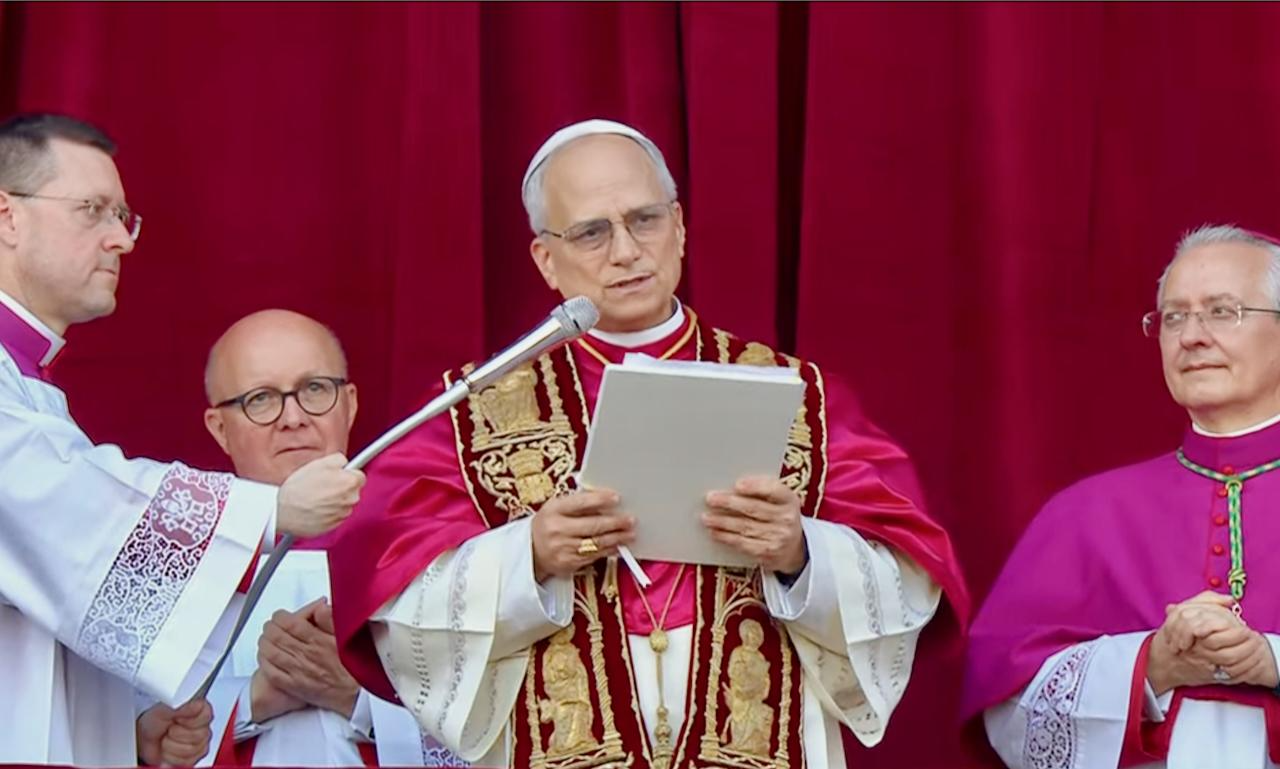
Catholic Church 2025 initiatives have entered a new era of inclusivity, ecological stewardship, and digital outreach. As of May 2025, Pope Leo XIV’s papacy is marked by bold reforms. These global Catholic Church initiatives span synodal reform, green action, liturgical renewal, lay empowerment, interfaith dialogue, social justice, and digital evangelization.
Synodal process brings indigenous voices
In June 2025, the African Synodality Initiative launched under the Jesuit Conference of Africa and Madagascar (JCAM), the Symposium of Episcopal Conferences of Africa and Madagascar (SECAM), and the Association of Member Episcopal Conferences in Eastern Africa (AMECEA).
- Monthly multilingual webinars engage local elders in Kiswahili, French, and Malagasy.
- Weekly radio segments air in Nairobi, Abuja, and Antananarivo, reaching rural communities.
- Small-group reflections explore synodal ecology, social teaching, and cultural heritage.
On one hand, these activities deepen faith by integrating indigenous values. But on the other hand, critics worry about uneven internet access in remote areas. Meanwhile, the Irish Synodal Pathway prepares a Pre-Synodal Assembly on October 18, 2025, in Kilkenny. Key themes include co-responsibility, missionary discipleship, and an expanded role for laity.
Borgo Laudato Si’ and the green frontier
What is the Borgo Laudato Si’ Ecological Training Center? It’s a 55-hectare hub at Castel Gandolfo slated to open in September 2025 under Pope Leo XIV’s patronage.
- Vocational workshops for sustainable agriculture.
- Climate-action best practices for diocesan staff.
- Children’s environmental education programs.
As of 2024, ecological conversion programs reached 500,000 participants worldwide. Over 1,200 dioceses have joined the Laudato Si’ Action Platform, with 30% of parishes rolling out full carbon-reduction plans. This surge cements the church’s role in Catholic Church ecological initiatives 2025.
How is the Catholic Church expanding lay ministry?
Effective August 2025, the Lay Ministry Motu Proprio empowers laypeople to preside at the Liturgy of the Word when no priest is available. Countries like Canada, Brazil, and India now train over 10,000 catechists and liturgical coordinators. Why did the Vatican approve this? To address priest shortages and foster lay empowerment in parish life.
On the other hand, some traditionalists question whether expanded lay roles erode clerical identity. On the other hand, many parishes report renewed engagement and stronger community bonds.
Digital evangelization in the Vatican digital campus
In June 2025, the Vatican Digital Campus went live. In three months, it drew 5 million unique users. Features include:
- Live-streamed liturgies in 20+ languages.
- Interactive catechetical modules.
- Virtual pilgrimages through the Vatican archives.
The upgrade to Pope Connect App 2.0 adds geolocated prayer intentions, weekly Gospel podcasts, and secure synodal chat rooms. Together, these tools underscore the church’s push for digital evangelization Catholic Church and transparency.
Liturgical inculturation and ecumenical milestones
Pilot rites in the Amazon basin, Southeast Asia, and Sub-Saharan Africa now blend Latin chants with indigenous instruments, dance, and textiles. This liturgical renewal and inculturation deepens the bond between tradition and local culture.
On May 18, 2025, Pope Leo XIV’s inauguration drew leaders from Orthodox, Anglican, Muslim, Jewish, and Buddhist communities. This historic ecumenical gathering emphasized mutual respect and joint action on climate, poverty, and peace.
Social justice: guidelines and reparations
The Vatican Social Justice Commission issued new directives on fair-trade procurement and living-wage policies. Meanwhile, the Archdiocese of New Orleans pledged a $180 million settlement for abuse survivors. It also adopted a survivors’ bill of rights and fresh safeguarding protocols.
These steps showcase a renewed commitment to accountability. They also illustrate the church’s evolving role in global social-justice outreach.
Key facts at a glance
- Over 1,200 dioceses joined the Laudato Si’ Action Platform.
- 5 million users on the Vatican Digital Campus in three months.
- 10,000+ lay ministers in formation under the Motu Proprio.
- 500,000 people in ecological conversion programs (2024).
- $180 million settlement by the New Orleans Archdiocese.
Exploring these reforms reveals how Pope Leo XIV and institutions like JCAM and SECAM navigate modern challenges. As the church evolves, topics such as digital archives, interfaith dialogue best practices, and canonical updates will shape future conversations.
I’ve witnessed communities transform through inculturation and digital faith resources. These initiatives spark hope—in parishes, urban centers, and remote villages alike. Let these developments inspire your own journey deeper into faith, ecology, and social action.
🕊️ Deep interest in Vatican affairs and Pope Leo XIV’s papacy
✍️ Skilled in online writing, editorial content, and accessible explanations
📚 Strong background in Catholic Church history and current global issues
💡 Able to clarify complex topics with a clear, engaging style
🔍 Committed to accurate sourcing and reliable information
📈 Delivers insightful, up-to-date, and educational articles